What Is Narcissism?

What Is Narcissism? Definition, Spectrum & Science

Narcissistic Personality By Mar 27, 2022

You probably didn’t start searching for information about narcissism because you were academically curious. It is likely that you started searching because something in your life — a relationship, a family dynamic, a pattern you couldn’t quite name — stopped making sense. The word kept coming up. You heard it, or read it, or someone said it to you. And now you’re here, trying to understand what it actually means.

That’s a reasonable place to start. Because the word “narcissism” is used so loosely in popular culture that it has become almost meaningless. It gets applied to everything from a self-absorbed ex-partner to a world leader to someone who posts too many selfies. The result is a great deal of confusion — and confusion, when you’re trying to make sense of something that has hurt you, is its own kind of harm.

This article is an attempt to cut through that. It draws on Dr. Craig Malkin’s research on the narcissism continuum, on current peer-reviewed literature, and on my many years of direct practitioner work with survivors of narcissistic abuse. The goal is a clear, honest account of what narcissism actually is — and, just as importantly, what it is not.

What Is Narcissism? The Core Definition

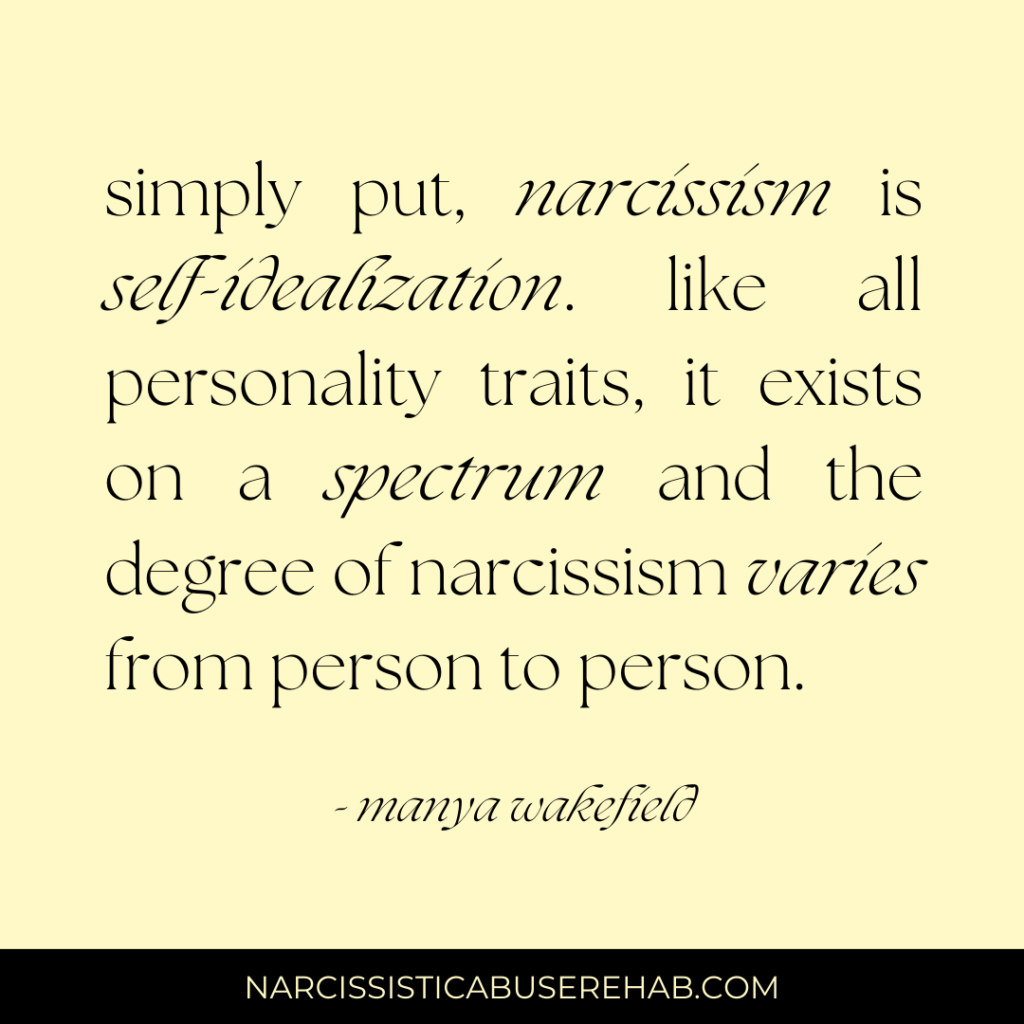
Narcissism, in its most precise psychological sense, is self-idealization. It is the tendency to hold a slightly — or greatly — elevated view of oneself. Like most personality traits, it is not binary. You do not either have it or not have it. It exists on a spectrum, and every human being sits somewhere on that spectrum at any given time.1

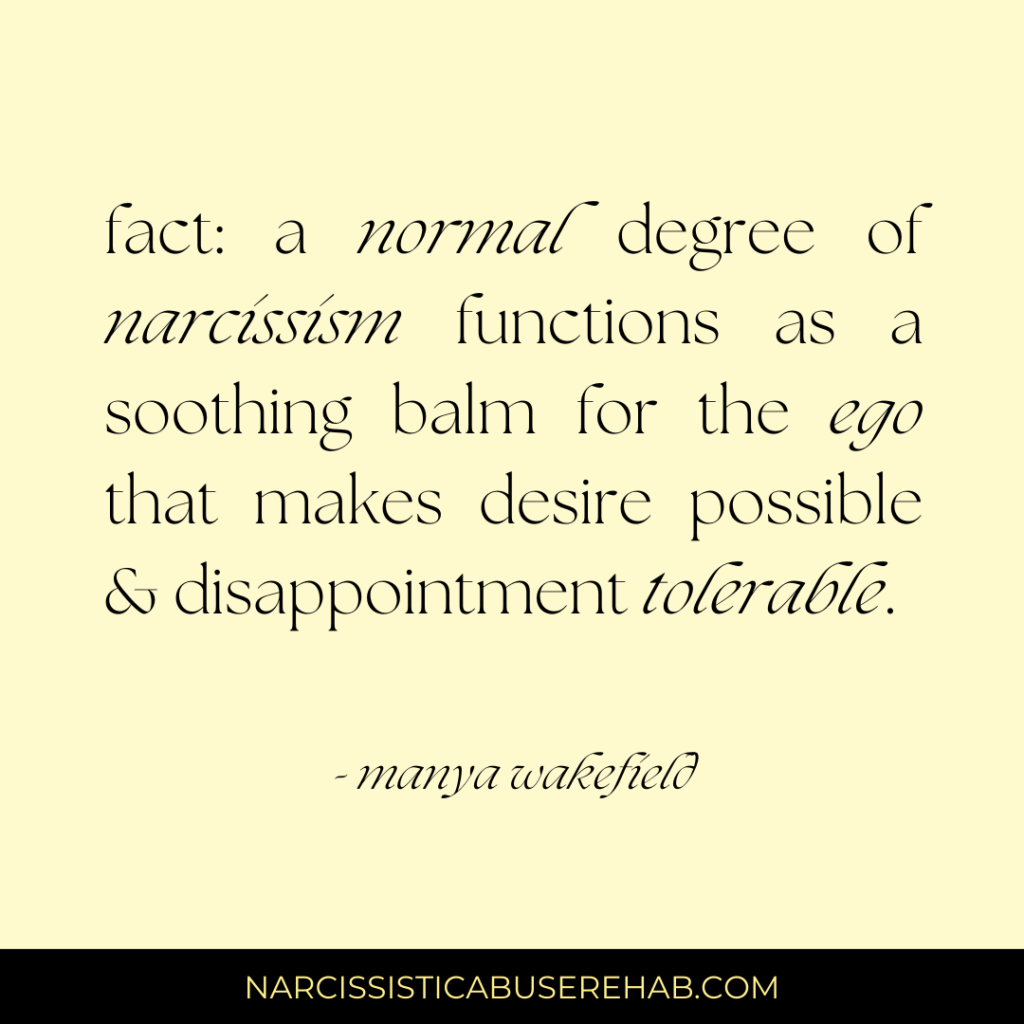
The word itself has Greek roots. Both narcissism and narcotic derive from the Greek narkao, meaning “I numb myself.” This etymology is revealing. Narcissism, at its core, functions as a kind of psychological buffer — a way of softening the impact of painful realities, of making the ego feel insulated rather than exposed.

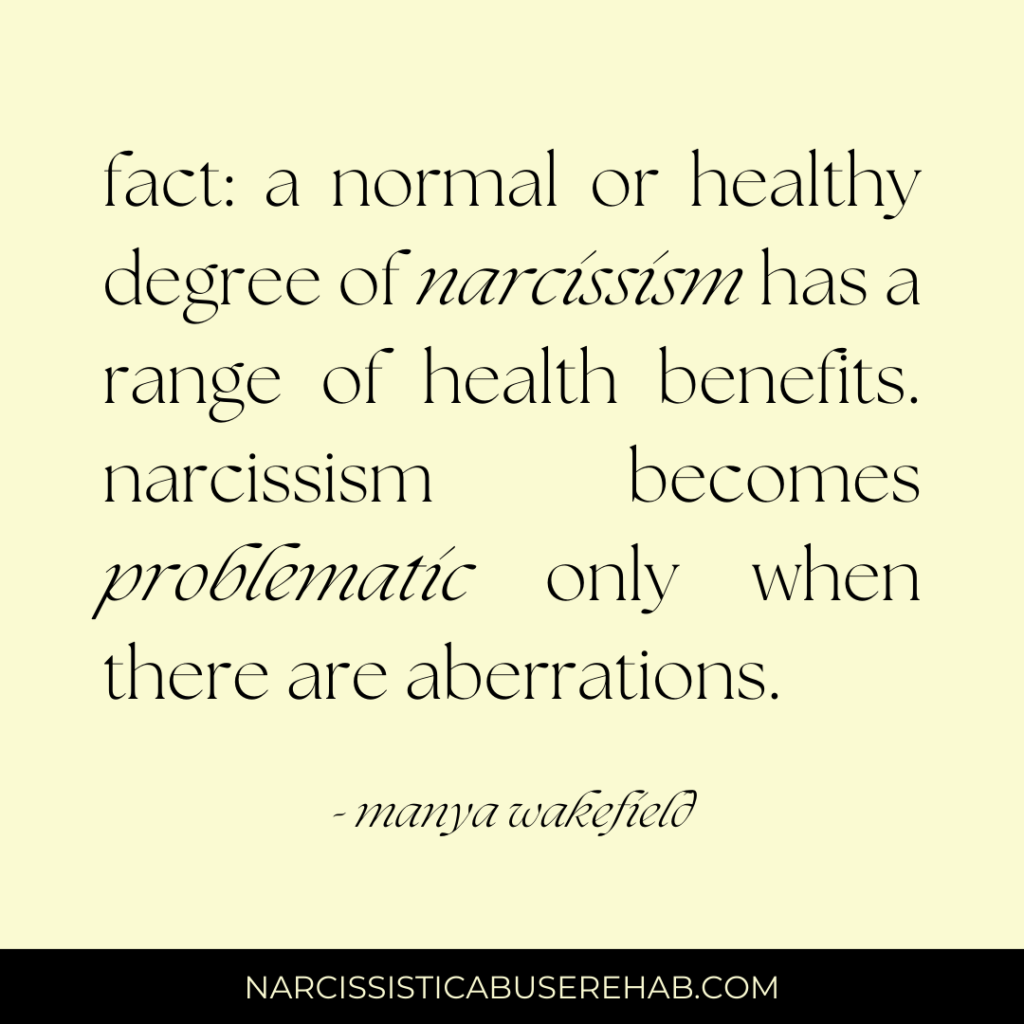
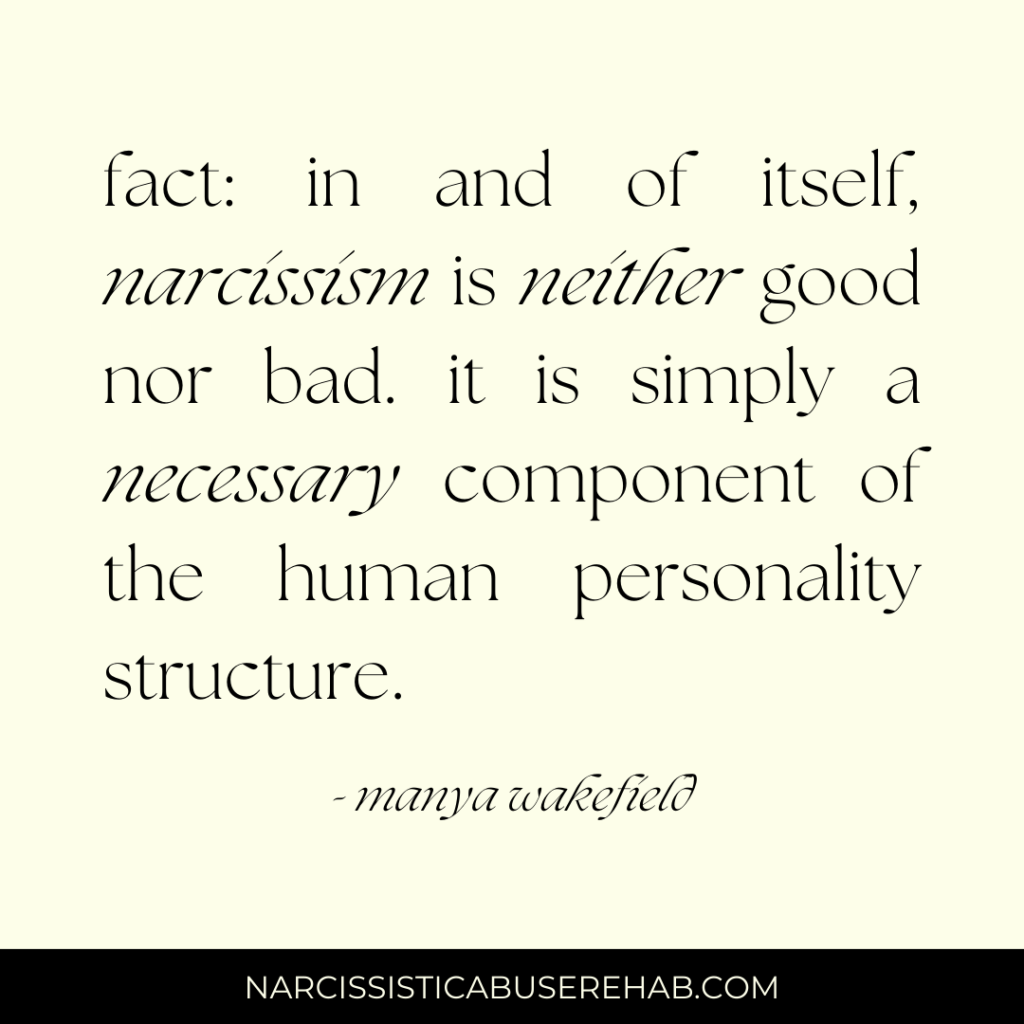
This is why a certain amount of narcissism is not only normal but necessary. Without it, ordinary life would be unbearable. The minor humiliations of daily existence — criticism at work, a social rejection, a failure — would land without cushioning. A healthy degree of self-idealization absorbs those blows. It allows us to recover, to keep going, to maintain enough confidence to try again.

The problem arises at the extremes. Too much narcissism and the self-idealization becomes rigid, defensive, and damaging to others. Too little — and this is less commonly discussed — and the person cannot maintain a stable sense of self at all. Dr. Craig Malkin, Lecturer in Psychology at Harvard Medical School and author of Rethinking Narcissism, has named this deficient end of the spectrum echoism: the fear of taking up space, of seeming narcissistic, of having needs at all.2

The Narcissism Continuum: From Echoism to Pathological Narcissism

Dr. Malkin’s framework is one of the most useful tools available for understanding narcissism without either dismissing it or catastrophizing it. He places narcissism on a continuum that runs from echoism at one extreme through healthy self-regard in the center to pathological narcissism at the other extreme.

Echoism: The Deficient End

Echoism describes a profound suppression of the self — a fear of seeming narcissistic so intense that it leads to the erasure of one’s own needs, preferences, and voice. Echoists tend to attract highly narcissistic partners, because the dynamic feels familiar and because their own needs are so thoroughly suppressed that they appear to be the perfect mirror for someone else’s grandiosity. Seven years of direct work with survivors of narcissistic abuse confirms that echoism is far more common in this population than the existing literature has historically recognized. You can read more in depth about this at the echoism cornerstone article on this site.

Healthy Narcissism: The Center

Healthy narcissism is the balanced midpoint — the capacity to hold a realistic but warm view of oneself, to give and receive admiration, to have needs without being consumed by them. Dr. Michael Kinsey, PhD, clinical psychologist at the New School for Social Research and a specialist in personality and attachment, describes healthy narcissism as including the ability to give and receive admiration, practice genuine self-awareness, recognize the significance of one’s own contributions, express compassion for others while still prioritizing the self when necessary, set and maintain boundaries, feel secure about being seen, accept others’ disapproval without collapse, and demonstrate self-efficacy and perseverance over time. This is not selfishness. It is psychological health.

Excessive and Pathological Narcissism: The Far End

As narcissism moves toward the extreme end of the continuum, it begins to cause harm — both to the person who carries it and to those around them. Subclinical or excessive narcissism sits between healthy narcissism and the full clinical threshold of narcissistic personality disorder (NPD). It is more rigid and more damaging than healthy narcissism, but it remains more amenable to change. At the far end sits pathological narcissism and NPD — a pervasive pattern that has hardened into a character structure rather than remaining a flexible trait.

The Three Forms of Narcissism

Dr. Malkin identifies three primary expressions of narcissism. Understanding the difference between them matters enormously — particularly for survivors of narcissistic abuse, who often encounter the covert form and struggle to name what they are experiencing.

Extraverted (Grandiose) Narcissism

This is the form most people recognize when they hear the word “narcissist.” Extraverted narcissism expresses grandiosity outwardly — through displays of superiority, entitlement, arrogance, and an overt need for admiration. The grandiosity is visible. People around the extraverted narcissist typically recognize it, even if they cannot name it.

Introverted (Covert) Narcissism

This form is far more difficult to identify and causes substantial confusion in popular accounts of narcissism. Covert narcissism is not narcissism that is hidden or difficult to detect in the sense of being concealed. It is narcissism in which the grandiosity is directed inward. The sense of specialness is organized around suffering, sensitivity, and uniqueness rather than overt displays of superiority.

A covert narcissist does not necessarily behave arrogantly. They may appear fragile, self-effacing, or deeply wounded. What they share with their extraverted counterparts is the same underlying structure: a rigid sense of entitlement, a profound difficulty with genuine empathy, and an addiction to external validation — but expressed through martyrdom and perceived victimhood rather than dominance and display. This distinction matters deeply for survivors. Read a full account in the covert narcissism article on this site.

Communal Narcissism

Communal narcissism is perhaps the least understood of the three forms. It operates through the appearance of generosity, care, and moral superiority. The communal narcissist derives their sense of specialness from being seen as an exceptionally good, giving, or virtuous person. Their grandiosity is organized around their role as helper, healer, or righteous advocate — and they respond to challenges to that identity with the same defensive fury that an extraverted narcissist brings to challenges to their superiority.

What the Research Says: The Current Science of Narcissism

The scientific literature on narcissism has grown substantially over the past decade. What has emerged is a more nuanced picture than early models allowed for.

The Dual-Dimension Model

Current peer-reviewed research supports a two-dimensional model of narcissism at the trait level. Sivanathan et al. (2023), publishing in Assessment, confirmed that narcissism is a multidimensional construct with both grandiose and vulnerable dimensions.3 Grandiose narcissism is associated with an inflated sense of self, interpersonal dominance, and exhibitionism. Vulnerable narcissism is associated with low and unstable self-esteem, hypersensitivity to criticism, and self-regard that is heavily contingent on external evaluation.

These two dimensions are not always separate. Research shows that individuals can fluctuate between grandiose and vulnerable states — particularly in response to perceived threats to their self-image. Stress, criticism, or perceived rejection can shift someone from a grandiose presentation to a vulnerable one within the same interaction.

Narcissism and the Brain

Neuroscience has begun to illuminate what distinguishes narcissistic personality patterns at the neurological level. Ash, Greenwood, & Keenan (2023), publishing in Brain Sciences, found that the frontal regions of the brain are central to narcissistic tendencies, with frontostriatal connectivity, gray matter volume, and cortical thickness all implicated.4 Nenadić et al. (2021), publishing in Scientific Reports, found significant associations between narcissistic traits and gray matter volume in multiple prefrontal areas — including the medial and ventromedial prefrontal cortex, orbitofrontal cortex, insula, and bilateral caudate nuclei.5

A 2025 study published in Psychophysiology by Jornkokgoud et al. (2025) found that narcissistic traits are encoded in the brain’s triple network — the default mode network, salience network, and frontoparietal network — suggesting that narcissism has deep structural correlates in how the brain organizes attention, self-reference, and social cognition.6 This research is still emerging and does not yet translate directly into treatment protocols. But it confirms what practitioners observe: narcissistic personality patterns are not simply choices or habits. They are organized at a fundamental level of neurological functioning.

What Causes Narcissism? Development and Origins

The origins of narcissistic traits and narcissistic personality disorder are best understood as multifactorial — meaning no single cause produces them. Current research points to a complex interaction of genetic predisposition, early relational experiences, and neurobiological development.

Ross et al. (2024), publishing in BMC Psychiatry, found that adverse childhood experiences (ACEs) — particularly physical and emotional neglect combined with early-life parental overvaluation — can impair emotional regulation and self-worth in ways that contribute to narcissistic traits in adulthood.7 Their research distinguished between the developmental pathways to grandiose and vulnerable narcissism: parental overvaluation tends to produce grandiose narcissism, while childhood neglect and emotional abuse are more consistently associated with vulnerable narcissism.

A 2024 review published in Cureus by Thalib et al. (2024) found that childhood overgratification — excessive praise, unconditional positive regard divorced from reality, and the failure to allow children to experience frustration — is empirically associated with the development of narcissistic traits.8 This does not mean that parents who praise their children are creating narcissists. It means that praise detached from reality, and from the child’s actual effort or behavior, can distort the child’s sense of their own specialness in ways that persist.

Genetic factors also play a role. Twin studies have found moderate heritability for both narcissistic grandiosity and entitlement. But heritability does not mean inevitability.9 It means vulnerability — a predisposition that environment can either activate or moderate. This is practitioner observation as much as research summary: the most severe narcissistic presentations I have encountered in seven years of direct work almost always involve both a constitutional disposition and a developmental environment that either failed to provide adequate attunement or that actively rewarded grandiose behavior.

What Narcissism Is Not: Correcting Common Misconceptions

Before examining what narcissism does in practice, it is worth clearing away the misconceptions that cloud public understanding.

Narcissism Is Not the Same as Narcissistic Personality Disorder

This is the most important distinction to hold. Narcissism is a personality trait. Narcissistic personality disorder is a formal mental health diagnosis defined by the DSM-5-TR as a pervasive pattern of grandiosity, need for admiration, and lack of empathy — with onset by early adulthood and present across contexts.10 According to Jauk & Kanske (2021), NPD is found in approximately 1-2% of the general population and 1.3-20% of people in specialist mental health settings.11

The NESARC study — the largest epidemiological survey of personality disorders in the United States, conducted with 34,653 adults — found a lifetime prevalence of 6.2% for NPD, with significantly higher rates in men (7.7%) than women (4.8%).12 However, the methodological challenges of diagnosing NPD mean that estimates vary considerably across studies. What matters for practical purposes is this: most people who behave in narcissistically damaging ways do not meet full diagnostic criteria for NPD. The pattern and its impact matter more than the diagnostic label.

To learn how narcissism can overlap with anti-social traits, read The Dark Triad: Machiavellianism, Narcissism & Psychopathy.

Narcissism and Empathy Are Not Opposites

A persistent myth holds that narcissistic people have no empathy. The research does not support this. Di Giacomo et al. (2023), in a systematic review published in Frontiers in Psychiatry, found that NPD involves a specific pattern of empathy impairment — not its complete absence.13 People with NPD retain significant cognitive empathy (the ability to understand what others are feeling) while showing deficits in affective empathy (the ability to feel what others are feeling) and mentalization (the ability to accurately represent others’ internal states).

This distinction matters in practice. A highly narcissistic person can read a room. They can identify emotional states in others and use that knowledge strategically. What they cannot do reliably is allow others’ emotional experience to genuinely move them. This is why people in relationships with highly narcissistic partners often feel simultaneously understood and profoundly unseen.

Narcissism Is Not a Choice

It is tempting — particularly for survivors of narcissistic abuse — to conclude that a narcissistic person simply chooses their behavior. The research does not support this framing. Narcissistic personality patterns develop through a combination of biological predisposition and early relational experience. They are maintained by deeply entrenched psychological defenses. They are not, in most cases, consciously chosen or consciously understood by the person who carries them.

This does not mean that highly narcissistic behavior is excused by its origins. Impact matters regardless of intent. But understanding the developmental origins of narcissism is relevant to survivors who have spent years asking “why?” — and to anyone trying to understand whether change is possible.

Narcissism Is Not Just a “Male Problem”

NPD is more prevalent in men — research consistently finds that between 50% and 75% of those diagnosed with NPD are male. But narcissistic traits are present across genders. Research on female narcissism suggests that the current measurement tools — which emphasize grandiosity and overt dominance — may systematically undercount narcissistic traits that present through communal, covert, or relationally manipulative channels.14 The gendered picture of narcissism is real, but it is more complex than commonly presented.

Narcissism Across the Lifespan

Narcissism is not static. Several important things are known about how it moves across a life.

Adolescence and Narcissism

Narcissistic traits are normative in adolescence. The developmental task of adolescence is individuation — the formation of a distinct self, separate from parents and family. This process inherently involves a degree of self-focus, grandiosity, and boundary-testing. The DSM-5-TR explicitly cautions against diagnosing personality disorders in minors, because traits that appear fixed in adolescence frequently resolve with development and appropriate support.

When adolescents in narcissistic family systems display concerning behaviors — callousness, exploitation of siblings, manipulation — the framework developed here under TENEL™ places those behaviors firmly in the context of the environment that produced them. A child mirroring the narcissism in their ecosystem is not a nascent personality disorder. They are a child doing what children do: adapting. Those adaptations are not fixed and are not identity.

Narcissism in Adulthood

Research consistently finds an inverse relationship between narcissism and age. Narcissistic traits tend to decrease across adulthood for most people — a finding that holds across both grandiose and vulnerable presentations. Life experience, loss, the humbling effects of time and relationship, and sometimes therapy all contribute to this.

However, at the pathological end of the spectrum, this natural softening is less reliable. NPD, particularly in its more severe presentations, tends to be more treatment-resistant. The defenses are more entrenched. The therapeutic relationship is more fraught. Change is possible, but it is not guaranteed, and it requires sustained specialist intervention.

Can Narcissism Be Treated?

This is among the most common questions survivors ask — and the answer depends heavily on where on the spectrum the person sits, and on the degree to which they are motivated to engage with treatment.

Sub-Clinical Narcissism

Normal and subclinical narcissism can and does change — both through ordinary life experience and through therapeutic intervention. This is not controversial. People with excessive but not pathological narcissism can develop more flexible self-regard, greater empathic capacity, and more genuine relational reciprocity. This does not happen automatically or quickly, but it is well within the range of what evidence-based therapy can achieve.

Narcissistic Personality Disorder

NPD is more resistant to treatment — but not impervious to it. A 2024 study published in The Journal of Nervous and Mental Disease by Gabbard & Crisp-Han (2024) found that all eight participants who completed psychotherapy for NPD — across therapeutic modalities including schema therapy, mentalization-based therapy, and transference-focused psychotherapy — no longer met diagnostic criteria at follow-up after 2.5 to 5 years of treatment.15 These were small numbers, but they are significant: NPD can improve.

A 2024 review in Mental Health & Wellbeing identified schema therapy, psychodynamic therapy, clarification-oriented psychotherapy, and supportive-expressive therapy as the modalities with the most evidence for improving NPD symptoms. More recently, Albert & Back (2025) published a theoretical framework in Frontiers in Psychiatry exploring MDMA-assisted psychoanalytic therapy as a novel approach for pathological narcissism — though this remains theoretical and is not yet an established clinical intervention.16

The barriers to treatment are well documented. Most people with NPD do not seek therapy voluntarily. When they do, it is typically in response to external pressure — a relationship ending, a professional consequence, a crisis. Engagement tends to be fragile. The therapeutic relationship itself can become a site of narcissistic injury. Mentalization-based treatment, which has shown promising results in Psychiatric Times coverage of emerging research, specifically targets the mentalizing deficits — the empathy impairment, the alexithymia, the overestimation of one’s own emotional accuracy — that underlie the disorder.

From a survivor’s perspective, the practical implication is this: whether a partner, parent, or colleague with narcissistic personality disorder can change is a question that cannot be answered in the abstract, and it cannot be answered by the person in relationship with them. Change of this kind requires sustained, specialist intervention over years — and it requires that the person with NPD genuinely wants it. Neither of those things can be willed into existence by anyone else.

What Narcissism Does in Relationships

Understanding the trait matters most for survivors not in the abstract but in its relational consequences. What does narcissism do in a close relationship?

At the healthy end of the spectrum, narcissism contributes to vitality, confidence, and the capacity to remain differentiated in a relationship — to hold one’s own perspective without collapsing into the other person. This is not harmful. It is necessary.

As narcissism moves toward the pathological end, several things begin to happen. The need for external validation becomes insatiable and organizing — every interaction becomes oriented around maintaining the narcissistic supply that keeps the fragile self-concept intact. Empathy, which was always contingent, becomes increasingly unavailable. The other person in the relationship is experienced not as a separate subject with their own inner life but as a mirror, an extension, a source of supply or a threat to supply. The patterns that constitute narcissistic abuse — love bombing, gaslighting, intermittent reinforcement, blame shifting, gaslighting, isolation — emerge from this relational dynamic.

The result for the person on the receiving end is not a collection of unpleasant relationship experiences. It is systematic. It compounds. Over time, it produces the specific constellation of consequences associated with narcissistic abusetrauma bonding, Complex PTSD, identity erosion, and a disrupted relationship with one’s own perception of reality. Understanding the trait of narcissism is how survivors begin to understand why this happened — and why it was not their fault.

To learn more, read about the narcissistic abuse cycle:

The Narcissism Epidemic: Is It Real?

A significant body of research, much of it associated with Jean Twenge’s work, has argued that narcissistic traits are rising in the general population — particularly among younger generations. The “narcissism epidemic” narrative became culturally prominent in the early 2000s and has remained contested since.

The research on this question is genuinely mixed. Some large-scale studies do find modest increases in narcissistic trait scores on standardized measures over time. Others find no consistent trend, and some find that measurement artifacts — rather than genuine population-level changes — account for the apparent increases. What can be said with reasonable confidence is that social media environments, and particularly the attention economy that structures them, create conditions that reward and reinforce narcissistic display. Whether they create narcissism or simply amplify existing tendencies is a question the research has not yet definitively resolved.

Narcissism in the Narcissistic Abuse Rehab Framework

At Narcissistic Abuse Rehab, narcissism is understood within two practitioner-developed recovery frameworks.

The Coercive Trauma Recovery Method™ (CTRM™) addresses recovery from narcissistic abuse and coercive control in adult relationships — intimate partnerships, family of origin, and workplace contexts. It moves through four sequential domains: Pattern Recognition, Nervous System Recalibration, Identity Reconstruction, and Boundary Architecture.

The TENEL™ (Traumatic Exposure to Narcissism in Early Life) framework addresses recovery for Adult Children of Narcissists across four dimensions: The Self-Structure, The Nervous System, The Introject, and The Attachment Pattern and Repetition Compulsion. TENEL™ draws directly on Dr. Malkin’s narcissism continuum and echoism framework. Both CTRM™ and TENEL™ have been reviewed by Dr. Michael Kinsey, PhD.

If you are trying to understand whether what you experienced was narcissistic abuse, or if you are somewhere in the recovery process, the recovery process stages article and the healing strategies cornerstone are good places to continue reading.

Frequently Asked Questions About Narcissism

What is the simplest definition of narcissism?

Narcissism is self-idealization — the tendency to hold an elevated view of oneself. It is a personality trait, not a disorder, and it exists on a spectrum. All people have some degree of narcissism. It becomes problematic only at the extremes: when it is excessive and rigid, or when it is so deficient that it produces the self-erasure described as echoism.

What is the difference between narcissism and narcissistic personality disorder?

Narcissism is a trait — a dimension of personality that varies in degree and is present in everyone. Narcissistic personality disorder (NPD) is a formal mental health diagnosis requiring a pervasive pattern of grandiosity, need for admiration, and lack of empathy, present since early adulthood, across multiple contexts, and causing significant functional impairment. Most people with narcissistic traits do not meet the threshold for NPD. The distinction matters because it affects both the prognosis for change and the nature of the impact on people in relationship with them.

What are the three types of narcissism?

Drawing on Dr. Craig Malkin‘s framework: extraverted (grandiose) narcissism, in which grandiosity is expressed outwardly through arrogance, entitlement, and displays of superiority; introverted (covert) narcissism, in which grandiosity is directed inward and organized around suffering, sensitivity, and uniqueness; and communal narcissism, in which grandiosity is expressed through the appearance of exceptional generosity, care, or moral virtue. All share the same underlying structure: a rigid sense of specialness and an inability to sustain genuine empathy.

Is narcissism hereditary?

Research indicates that narcissistic traits have moderate heritability — meaning genetic factors contribute to the likelihood of developing them. However, heritability does not mean inevitability. Environmental factors, particularly early relational experiences, play a significant role. Parental overvaluation is associated with grandiose narcissism, while childhood neglect and emotional abuse are more consistently linked to vulnerable narcissism. The most accurate way to understand it is as a predisposition that environment can activate, moderate, or intensify.

Can narcissism be treated or cured?

Subclinical narcissism — that is, narcissistic traits that do not reach the threshold of NPD — can and does change through both ordinary life experience and therapeutic intervention. NPD is more resistant to treatment, but not immune to it. A 2024 study in The Journal of Nervous and Mental Disease found that patients who engaged in long-term psychotherapy for NPD — across schema therapy, mentalization-based therapy, and related modalities — showed meaningful improvement and no longer met diagnostic criteria at follow-up. The barriers are significant: most people with NPD do not seek treatment voluntarily, and sustained engagement requires specialist skill. Change is possible. It cannot be guaranteed, and it cannot be produced by anyone other than the person who needs it.

What is the difference between covert and overt narcissism?

Both covert and overt narcissism involve the same core structure: grandiosity, entitlement, and an addiction to external validation. The difference is in how that grandiosity is expressed. In overt narcissism, grandiosity is displayed openly — through arrogance, superiority, and the expectation of special treatment. In covert narcissism, grandiosity is directed inward and organized around suffering and sensitivity. Covert narcissism is not narcissism that is hidden or difficult to detect in a general sense. It is narcissism whose entitlement and specialness are organized around the inner experience of the self rather than its external display. This distinction is particularly important for survivors, who often encounter covert presentations and find them harder to name.

What is echoism and how does it relate to narcissism?

Echoism, named and developed by Dr. Craig Malkin, describes the opposite end of the narcissism continuum. Where narcissism involves an excessive sense of specialness, echoism involves the fear of seeming special at all — a deep suppression of the self, driven by a terror of taking up too much space or appearing narcissistic. Echoism is not the same as introversion or humility. It is a trait pattern with its own psychological costs, and it is disproportionately represented among survivors of narcissistic abuse. The echoist’s self-erasure can make them an ideal target for someone who needs a mirror rather than a partner. Recovery often involves reclaiming the self that echoism has suppressed.

How does narcissism affect relationships?

Research on population-level changes in narcissistic traits is genuinely mixed. Some studies find modest increases in narcissistic trait scores over time, particularly in younger populations. Others find no consistent trend. What is clearer is that social media environments create conditions that reward and reinforce narcissistic display — through attention metrics, follower counts, and the monetization of self-promotion. Whether these environments create narcissism or amplify existing tendencies is not yet definitively established.

References

  1. Malkin, C. (2015). Rethinking narcissism: The bad — and surprising good — about feeling special. HarperWave. ↩︎
  2. Malkin. 2015. ↩︎
  3. Sivanathan, D., Bizumic, B., Li, W., & Chen, J. (2023). The unified narcissism scale–revised: Expanding measurement and understanding of narcissism across cultures. Assessment, 30(6). https://doi.org/10.1177/10731911231191435 ↩︎
  4. Ash, S., Greenwood, D., & Keenan, J. P. (2023). The neural correlates of narcissism: Is there a connection with desire for fame and celebrity worship? Brain Sciences, 13(10), 1499. https://doi.org/10.3390/brainsci13101499 ↩︎
  5. Nenadić, I., Lorenz, C., & Gaser, C. (2021). Narcissistic personality traits and prefrontal brain structure. Scientific Reports, 11, 15707. https://doi.org/10.1038/s41598-021-94920-z ↩︎
  6. Jornkokgoud, K., Bakiaj, R., Wongupparaj, P., Job, R., & Grecucci, A. (2025). Narcissistic and antisocial personality traits are both encoded in the triple network: Connectomics evidence. Psychophysiologyhttps://doi.org/10.1111/psyp.70130 ↩︎
  7. Ross, A. G., et al. (2024). Adverse childhood experiences leading to narcissistic personality disorder: A case report. BMC Psychiatry, 24, 842. https://doi.org/10.1186/s12888-024-06307-9 ↩︎
  8. Thalib, H. I., Zobairi, A., Khan, S., Abou Touk, M., Bahkali, R., Alhusaynan, S., & Hussain, S. F. (2024). Tracing the link between narcissistic personality disorder and childhood overgratification. Cureus, 16(10), e72638. https://doi.org/10.7759/cureus.72638 ↩︎
  9. Back, Mitja & Instinske, Jana & Rohm, Theresa & Deppe, Marco & Kandler, Christian. (2026). Narcissism Runs in Families due to Genetics: An Extended Twin Family Analysis. Narcissistic Abuse Rehab. ↩︎
  10. American Psychiatric Association. (2022). Diagnostic and statistical manual of mental disorders (5th ed., text rev.). American Psychiatric Publishing. ↩︎
  11. Jauk, E., & Kanske, P. (2021). Can neuroscience help to understand narcissism? A systematic review of an emerging field. Personality Neuroscience, 4, e3. https://doi.org/10.1017/pen.2021.1 ↩︎
  12. Stinson, F. S., et al. (2008). Prevalence, correlates, disability, and comorbidity of DSM-IV narcissistic personality disorder: Results from the Wave 2 National Epidemiologic Survey on Alcohol and Related Conditions. Journal of Clinical Psychiatry, 69(7), 1033–1045. https://doi.org/10.4088/jcp.v69n0701 ↩︎
  13. Di Giacomo, E., Andreini, E., Lorusso, O., & Clerici, M. (2023). The dark side of empathy in narcissistic personality disorder. Frontiers in Psychiatry, 14, 1074558. https://doi.org/10.3389/fpsyt.2023.1074558 ↩︎
  14. Green A, MacLean R, Charles K. Female Narcissism: Assessment, Aetiology, and Behavioural Manifestations. Psychol Rep. 2022 Dec;125(6):2833-2864. doi: 10.1177/00332941211027322. Epub 2021 Jun 22. PMID: 34154472; PMCID: PMC9578082. ↩︎
  15. Gabbard, G. O., & Crisp-Han, H. (2024). Can patients with narcissistic personality disorder change? The Journal of Nervous and Mental Disease, 212(7), 392–397. https://doi.org/10.1097/NMD.0000000000001777 ↩︎
  16. Albert, A. E., & Back, A. L. (2025). Psychoanalytically informed MDMA-assisted therapy for pathological narcissism: A novel theoretical approach. Frontiers in Psychiatry, 16, 1529427. https://doi.org/10.3389/fpsyt.2025.1529427 ↩︎

Manya Wakefield is a narcissistic abuse recovery coach, coercive trauma specialist, and the developer of the Coercive Trauma Recovery Method™ and TENEL™ (Traumatic Exposure to Narcissism in Early Life) — proprietary recovery frameworks built from seven years of direct professional work with survivors of coercive control, narcissistic abuse, and Adult Children of Narcissists. Both frameworks have been reviewed by Dr. Michael Kinsey, PhD, clinical psychologist, New School for Social Research. She is the founder of Narcissistic Abuse Rehab, a global social impact platform launched in 2019 to support survivors through evidence-based recovery frameworks. Manya is the author of Are You In An Emotionally Abusive Relationship (2019), a resource used in domestic violence recovery groups worldwide. Her original research contributions include the Global Coercive Control Legislation Index (2020) — the first systematic index of its kind on the web — and the Global Femicide Legislation Index (2026), comprehensive legal references used by advocates, legal professionals, and policymakers internationally, cited in peer-reviewed publications including the Southern Illinois University Law Journal, Palgrave Macmillan, and the University of Agder. Her expertise has been featured in Newsweek, Elle, Cosmopolitan, HuffPost, Parade, and YourTango. She hosts the Narcissistic Abuse Rehab Podcast, available on Apple Podcasts, Spotify, and Amazon Music. All content on this site reflects Manya's direct professional experience working with survivors of narcissistic abuse and coercive control, her published research, and her ongoing advocacy work.